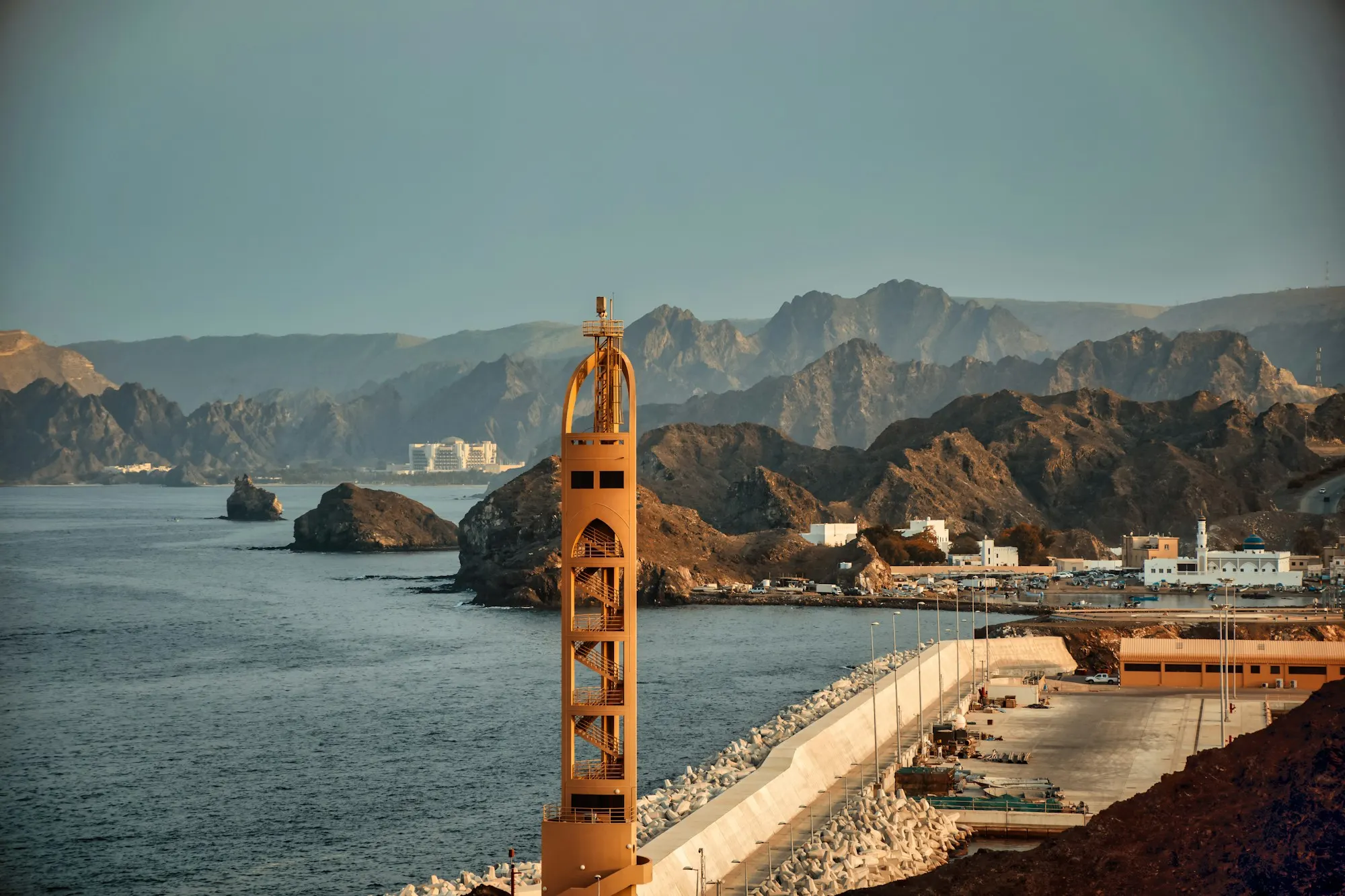
Hormuz Crisis 2026: How Gulf Importers Are Rerouting Cargo
How Gulf importers are rerouting cargo in the 2026 Hormuz crisis: Oman, UAE east-coast and Red Sea ports, land bridges, freight costs and practical steps.
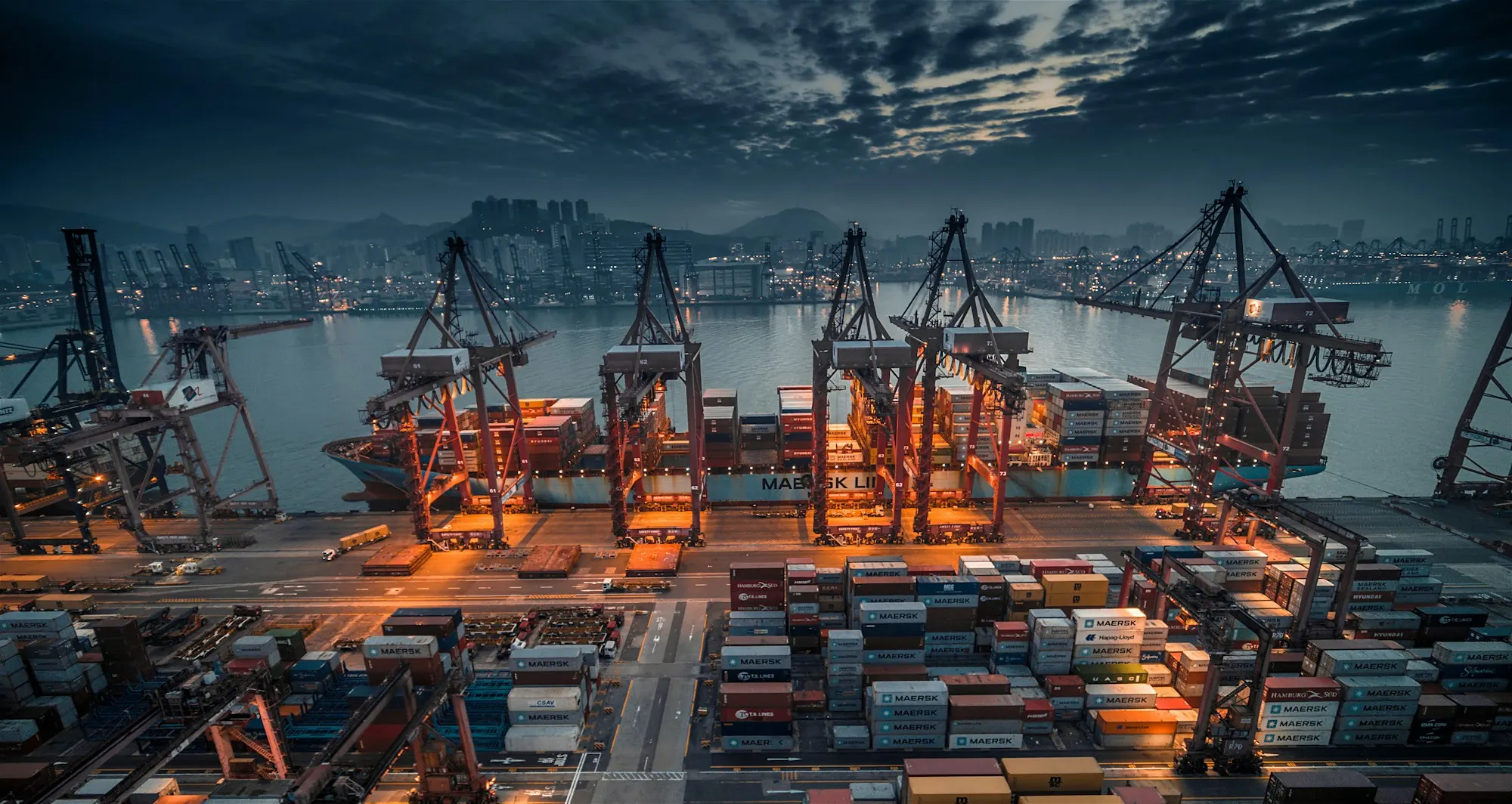
The Strait of Hormuz crisis that began on 28 February 2026 has forced Gulf importers to move cargo around the strait rather than through it. In November 2026 commercial traffic is still far below normal, so most containers bound for the UAE, Saudi Arabia, Qatar, Kuwait and Bahrain now arrive through ports outside the Gulf — Sohar, Salalah and Duqm in Oman, Khor Fakkan and Fujairah on the UAE's east coast, and Jeddah and King Abdullah Port on the Red Sea — and finish their journey by truck. These routes work, but they are slower, more expensive and limited in capacity, so planning matters more than ever.
Key takeaways
- Shipping through Hormuz remains restricted: UKMTO's weekly count in November 2026 put traffic about 65% below pre-conflict levels (reported by gCaptain, 13 November 2026).
- Ports outside the strait have absorbed the flow: Khor Fakkan's weekly container volume rose from about 2,000 to about 50,000 (ShipUniverse, May 2026), and Salalah's cargo volumes grew 15% in the first half of 2026 (AGBI, 2026).
- Freight costs are far higher: Xeneta spot rates from China to Jeddah reached $10,870 per 40-foot container in September 2026, up 256% since 28 February.
- Land bridges by truck — through the UAE, Oman and Saudi Arabia — are now the main way to reach inland Gulf markets, but truck and driver capacity is tight.
- Importers who split cargo across two or more gateways, hold extra stock and budget for surcharges are coping best.
What happened to shipping in the Strait of Hormuz in 2026?
The strait is only about 34 km wide at its narrowest point, between Iran and Oman's Musandam peninsula. After the United States and Israel launched strikes on Iran on 28 February 2026, attacks on merchant ships began on 1 March and the strait was declared closed shortly afterwards. By 21 April the International Maritime Organization said around 2,000 ships and 20,000 seafarers were stranded inside the Gulf.
Since then the situation has eased only partly. In the week reported on 13 November 2026, UKMTO counted 139 outbound and 169 inbound transits, with overall traffic roughly 65% below pre-conflict levels. The Joint Maritime Information Center still rates the threat level as "severe", and war-risk insurance was quoted at 7–9% of a ship's hull value in early November 2026, compared with about 0.25% before the war (Lloyd's List, as summarised by hormuz.now).
Energy flows have recovered faster than general cargo. Gulf oil exports excluding Oman reached 18.4 million barrels per day in October 2026, only 26% below pre-war levels, helped by pipelines that bypass the strait. The Saudi East-West line to Yanbu and the UAE's Habshan–Fujairah line have a combined capacity of about 4.7 million barrels per day, according to the US EIA. Container shipping, which is what most traders depend on, has no such pipeline — it has to change ports.
Which ports are Gulf importers using instead?
From the first weeks of the war, cargo shifted to ports that can be reached without entering the Gulf. Kpler data cited by Reuters showed that 81 container ships were heading to ports inside Hormuz on 28 February; within about two weeks, 43 had been rerouted to other Gulf ports and the rest diverted away from the region. The table below summarises the main alternative gateways.
| Gateway | Location | Main inland markets | What the data shows |
|---|---|---|---|
| Khor Fakkan and Fujairah | UAE east coast, Gulf of Oman | Dubai, Abu Dhabi, northern UAE | Khor Fakkan weekly container volume up from about 2,000 to about 50,000; daily truck moves from about 100 to about 7,000 (ShipUniverse, May 2026) |
| Sohar | Oman, Gulf of Oman | Oman, UAE | Destination changes to Sohar about three times its pre-war baseline in early April (Windward, 2026); regional food depots set up at the start of the war (AGBI, 2026) |
| Salalah | Southern Oman, Arabian Sea | Oman, Saudi Arabia via land corridor | Cargo volumes up 15% and revenues up about a fifth to OMR 51 million in H1 2026 (AGBI, 2026) |
| Duqm | Oman, Arabian Sea | Oman, regional transshipment | Berths and yards being upgraded by Asyad (AGBI, 2026); no volume figures published |
| Jeddah and King Abdullah Port | Saudi Red Sea coast | Riyadh, Eastern Province, Kuwait, Bahrain | New MSC service calling from 2 May 2026; China–Jeddah spot rate $10,870/FEU in Sept 2026 (Xeneta) |
The major carriers have adapted their networks. MSC launched a Europe–Red Sea–Middle East service on 2 May 2026 calling at King Abdullah Port, Jeddah and Aqaba. Hapag-Lloyd offers cross-border moves through Jeddah, Salalah, Sohar, Khor Fakkan and Fujairah to destinations across the GCC, and Maersk has expanded landbridge and sea-air options, including through Salalah and Muscat.
How much more does it cost to ship to the Gulf now?
Costs have risen at every stage. Ocean freight is the biggest change: according to Xeneta figures reported in September 2026, the average spot rate from China to Khor Fakkan was $10,626 per 40-foot container, up 479% since 28 February, and from China to Jeddah $10,870, up 256%. Both trades were above their Covid-era peaks. For cargo from Europe, ships avoiding the region via the Cape of Good Hope took around 41 days instead of 25 in April 2026, with costs about 25% higher (Windward, 2026).
Then comes the land leg. In March 2026, a Kpler analyst told Reuters that trucking from an alternative port to Dubai could cost several times the ocean freight, and the trucking platform TruKKer raised prices on Saudi-bound routes by 5–15%. In Oman, the chief executive of Sinan Heavy Lift told AGBI that routing cargo through Salalah adds about 20% in land-transport costs. Carriers also add war-risk and contingency surcharges, so a landed-cost calculation done before February 2026 is no longer reliable.
The bypass routes are working, but they are not cost neutral: freight, haulage, insurance and surcharges all need to be in the price before you sign a sales contract.
What role is Oman playing in Gulf logistics?
Oman's geography is its advantage. Sohar sits on the Gulf of Oman, while Salalah and Duqm face the Arabian Sea more than 1,000 km from the strait, so ships can reach them without passing Hormuz. Salalah's results for the first half of 2026 show the shift in practice, and Asyad Group says berths, handling equipment and container yards at Sohar, Duqm and Salalah are being upgraded.
Land links are part of the picture. AGBI reports a Saudi-Omani "green land corridor" along a 725 km road across the Empty Quarter, and Sohar is the starting point of the planned 240 km Hafeet Rail line to the UAE, a $3 billion project. For traders, this makes Oman a practical base for receiving goods and distributing them by road to Saudi Arabia and the UAE. Our earlier guides to Oman's free zones and to Salalah port and free zone explain the setup options in more detail.
Oman is not risk-free. Duqm port was hit in strikes on 1 March 2026 and a drone strike in Sohar's al-Awahi industrial area on 13 March killed two people, so insurance terms and contingency plans still matter for Omani routings.
How can Gulf importers protect their supply chains?
The businesses that have coped best treat the crisis as a long-term operating condition, not a short disruption. Practical steps include:
- Use more than one gateway. Split critical cargo between, for example, Sohar or Salalah and Jeddah or Khor Fakkan, so one congested port does not stop your business.
- Book trucking early. Truck and driver shortages are one of the main bottlenecks named by carriers, so secure inland capacity when you book the ocean leg.
- Rebuild your landed-cost model. Include current spot freight, inland haulage, war-risk and contingency surcharges, and longer transit times.
- Hold more safety stock. About 70% of the Gulf's food imports normally pass through the strait (Reuters, 2026); the UAE says its strategic reserves cover four to six months, but private businesses need their own buffers.
- Check your contracts. Incoterms, delivery points and force-majeure clauses written for Jebel Ali or Dammam may not fit a route that now ends in Salalah or Jeddah.
- Review suppliers. Sourcing from nearer origins such as India, or staging goods there for short feeder runs, can reduce exposure — see our guide to sourcing from China for Gulf importers for the other side of the equation.
Will the Strait of Hormuz reopen soon?
No one can say with confidence. As of mid-November 2026, there was no agreement to restore normal navigation and maritime security agencies still classed the area as high-threat. Oil exports have partly recovered through pipelines and escorted transits, but container traffic still relies on alternative ports. The safest planning assumption for the coming months is that bypass routes will remain in use, and that freight rates may stay volatile in both directions as capacity adjusts.
This article is general information based on published sources as of November 2026; it is not investment, legal or tax advice.
How Yazdan Invest can help
Yazdan Investment Group is headquartered in Muscat and trades with a network of more than 290 traders, especially in Saudi Arabia and the wider Arab region, with sourcing agents in China and partners in Europe. Through our international trade network we help partners think through sourcing and routing, and through Oman Register we support company formation and government services for businesses that want an Omani base. To discuss your situation, contact us or call +968 7733 3556.
Frequently asked questions
Is the Strait of Hormuz closed in November 2026?
It is not fully closed, but traffic is heavily restricted. UKMTO's count for a week in November 2026 put transits about 65% below pre-conflict levels, and the security threat is still rated severe.
Which ports can I use to import into the UAE without passing Hormuz?
Khor Fakkan and Fujairah on the UAE's east coast are the closest options, and Sohar in Oman is also used, with onward delivery by truck. Capacity is tighter than at Jebel Ali, so book early.
How do goods reach Saudi Arabia, Kuwait and Bahrain now?
Most containers arrive through Saudi Red Sea ports such as Jeddah and King Abdullah Port, or through Omani ports, and travel overland by truck. Carriers including MSC, Maersk and Hapag-Lloyd offer these landbridge services.
How much have container rates to the Gulf increased?
Xeneta data reported in September 2026 showed China–Jeddah spot rates at $10,870 per 40-foot container (up 256% since 28 February) and China–Khor Fakkan at $10,626 (up 479%). Inland trucking and surcharges come on top.
Why are Omani ports important during the crisis?
Sohar, Salalah and Duqm can be reached without entering the strait, and they connect by road to the UAE and Saudi Arabia. Salalah's cargo volumes rose 15% in the first half of 2026.
Sources
- gCaptain — Gulf Oil Exports Recover as Hormuz Shipping Struggles (13 Nov 2026)
- Hormuz.now — Strait of Hormuz FAQ
- Wikipedia — 2026 Strait of Hormuz crisis
- Wikipedia — 2026 in Oman
- AGBI — Oman increases logistics revenues by offering Hormuz alternative (2026)
- ShipUniverse — Arabian truck corridors become shipping's new Hormuz workaround (May 2026)
- Claims Journal / Reuters — Gulf importers race to reroute as Hormuz closure jolts supply chains (Mar 2026)
- Sourcing Center — China–Gulf box rates at records (Sep 2026)
- Windward — Hormuz after the ceasefire (Apr 2026)
- Middle East Briefing — Hormuz disruptions: how GCC economies are reconfiguring cargo routes (Apr 2026)