Spain Tourism Investment 2026: Record Arrivals, Regions & Rules
Spain drew a record 96.8m tourists spending €134.7bn in 2025 (INE). See the top regions, why they attract visitors, and hotel and holiday rental rules.
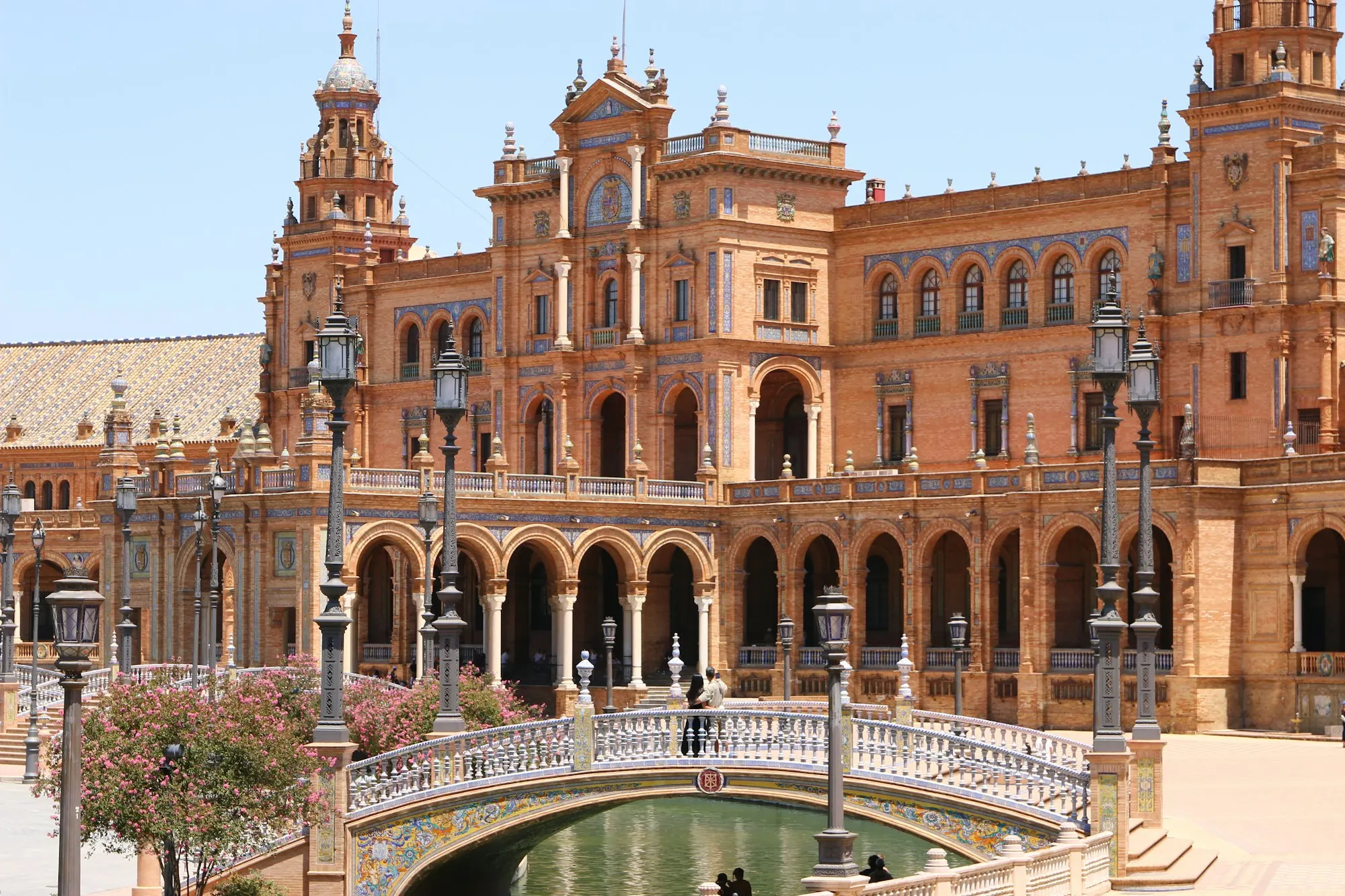
Spain is one of the world's largest tourism markets: it received a record 96.8 million international tourists in 2025, who spent about €134.7 billion, according to INE (Frontur and Egatur, February 2026). For investors, that scale, spread across several very different regions, makes Spain one of Europe's deepest markets for hotels, hospitality and tourism services, although holiday rentals now face tighter rules.
Key takeaways
- Spain welcomed 96.8 million international tourists in 2025 (+3.2%) and they spent €134.7 billion (+6.8%), according to INE.
- Growth continued in 2026: 70.4 million tourists from January to August (+5.4%) and €99.9 billion of spending (+8.0%), according to INE (October 2026).
- Catalonia, the Balearic Islands, the Canary Islands, Andalusia, the Valencia region and Madrid together receive the large majority of foreign visitors.
- Tourism was worth about 12.6% of Spain's GDP in 2024 and 12.3% of employment, according to INE's Tourism Satellite Account.
- Hotels remain the most institutional entry point: CBRE recorded €4.2 billion of hotel investment in Spain in 2025, the second-best year on record.
- Holiday rentals are now heavily regulated, with community-of-owners vetoes, city moratoriums and licence phase-outs in places such as Barcelona and Málaga.
How many tourists visit Spain, and how much do they spend?
According to INE's Frontur survey, Spain received 96,770,515 international tourists in 2025, a new record and 3.2% more than in 2024. The companion Egatur survey put their total spending at €134.7 billion, up 6.8% on the €126.3 billion of 2024 (INE, published February 2026). Spending is growing faster than arrivals, which means each visitor is worth more to the economy, a trend that matters more for investors than raw volume.
The largest source markets in 2025 were the United Kingdom (about 19.1 million tourists), France (12.8 million) and Germany (12.0 million), according to INE. British visitors were also the biggest spenders, with €23.65 billion.
The momentum continued into 2026. INE's latest release (October 2026) shows 70.4 million international tourists between January and August 2026, up 5.4% year on year, with spending of €99.9 billion, up 8.0%. In August 2026 the average tourist spent €1,455 per trip, or about €202 per day.
Where does Spain rank globally?
UN Tourism figures reported in 2026 place Spain second in the world for international arrivals in 2025, behind France and ahead of the United States, Italy and Türkiye. UN Tourism's World Tourism Barometer (January 2026) also lists Spain among the world's top tourism earners, with receipts up about 7% in 2025. National figures from INE and UN Tourism do not match exactly, because the two use different definitions and revision cycles, so investors should compare like with like.
Tourism is also central to the Spanish economy. INE's Tourism Satellite Account estimates that tourism generated about €200.7 billion, or 12.6% of GDP, in 2024 and supported around 2.78 million jobs, 12.3% of total employment.
Which Spanish regions and cities attract the most tourists, and why?
Six autonomous communities dominate. In 2025, according to INE, Catalonia received 20.1 million international tourists, the Balearic Islands 15.7 million, the Canary Islands 15.7 million, Andalusia 14.5 million, the Valencia region 12.4 million and Madrid 9.1 million. Each region draws visitors for different reasons, which gives investors very different demand profiles.
Barcelona and Catalonia
Barcelona combines a Mediterranean beach city with world-famous architecture, including the Gaudí buildings listed by UNESCO such as the Sagrada Família basilica. It is also a major cruise and congress destination, so hotel demand comes from leisure, business and events. Outside the city, the Costa Brava and Costa Daurada add classic beach tourism. Catalonia led Spain by visitor spending in 2025, with €24.8 billion, according to INE.
Madrid
Madrid is the country's capital, main air hub and largest business and trade-fair market. Its museums along the Paseo del Prado, which UNESCO added to the World Heritage List in 2021 together with the Retiro park, plus shopping, gastronomy and football, make it a year-round city destination with less seasonality than the coast. International arrivals to Madrid rose 10.0% in January to August 2026, according to INE.
Balearic Islands: Mallorca, Ibiza and Menorca
The Balearics are among Europe's most established sun-and-sea destinations. Mallorca offers beaches, resort towns and the Serra de Tramuntana mountains (a UNESCO World Heritage cultural landscape); Ibiza is known worldwide for nightlife and high-end hospitality; Menorca attracts quieter family tourism. The islands are highly seasonal but very high-yield: in August 2026 the Balearics alone took 22.8% of all tourist spending in Spain, according to INE.
Canary Islands
The Canaries' key advantage is climate: mild temperatures all year make them Europe's main winter-sun destination, which smooths seasonality. Tenerife, Gran Canaria, Lanzarote and Fuerteventura offer beaches, volcanic landscapes and Teide National Park. The islands generated €24.4 billion of tourist spending in 2025 (INE) and were the top destination for hotel investment in Spain in 2025, with 22% of the national total, according to CBRE.
Andalusia: Seville, Málaga and Granada
Andalusia mixes culture and coast. Seville offers its cathedral, the Royal Alcázar and the Archive of the Indies (all UNESCO-listed), as well as flamenco and spring festivals. Granada is home to the Alhambra, one of Spain's most visited monuments. Málaga combines a busy international airport, museums and the beaches of the Costa del Sol, with resorts such as Marbella. Andalusia was one of the fastest-growing regions in 2026, with international arrivals up 10.4% from January to August, according to INE.
Valencia region: Valencia, Alicante and Benidorm
The city of Valencia attracts visitors with its City of Arts and Sciences, beaches and the Fallas festival, which UNESCO recognises as intangible cultural heritage. Further south, Alicante and Benidorm form one of Europe's largest package-holiday and long-stay markets, popular with British and Northern European visitors and retirees. Arrivals to the region rose 9.0% from January to August 2026 (INE).
Northern Spain: San Sebastián and the Basque Country
San Sebastián is smaller in volume but strong in value. Its reputation for gastronomy, pintxos bars and highly rated restaurants, together with La Concha beach and nearby Bilbao's Guggenheim Museum, attracts higher-spending visitors and supports boutique hotels and food tourism.
Spain's main tourist regions at a glance
| Region / city | International tourists 2025 (INE) | Main draws |
|---|---|---|
| Catalonia (Barcelona, Costa Brava) | 20.1 million | Gaudí architecture, beaches, cruises, congresses |
| Balearic Islands (Mallorca, Ibiza, Menorca) | 15.7 million | Beaches, resorts, nightlife, luxury hospitality |
| Canary Islands (Tenerife, Gran Canaria) | 15.7 million | Year-round sun, volcanic nature, winter tourism |
| Andalusia (Seville, Málaga, Granada) | 14.5 million | Alhambra, Seville heritage, Costa del Sol |
| Valencia region (Valencia, Alicante, Benidorm) | 12.4 million | Beaches, Fallas, long-stay and package holidays |
| Madrid | 9.1 million | Museums, business travel, trade fairs, shopping |
| Basque Country (San Sebastián, Bilbao) | Included in other regions | Gastronomy, Guggenheim, boutique tourism |
Why is tourism in Spain attractive for investment?
Several features make Spain stand out for tourism investors.
- Depth and diversity of demand. Spain has city, beach, island, cultural and winter-sun markets, so investors can choose very different risk and seasonality profiles inside one country.
- Rising spending per visitor. Egatur data show spending growing faster than arrivals in both 2025 and 2026, which supports room rates and margins.
- A liquid hotel market. CBRE reports €4.2 billion of hotel investment in Spain in 2025, nearly a quarter of all real estate investment, led by the Canary Islands (22%), Barcelona (16%), the Balearics (15%) and Madrid (9%). Domestic buyers invested more than €2.5 billion, and French and British investors were also active.
- Wide range of tourism services. Beyond hotels, opportunities include restaurants and hospitality, tour operation, transport, wellness, golf, marinas and visitor experiences.
Common hotel strategies include upgrading older hotels to higher categories and converting buildings where planning rules allow. Where cities restrict new tourist beds, existing licensed hotels can gain scarcity value.
Holiday rentals: higher returns, higher regulatory risk
Holiday apartments remain popular, but rules have tightened sharply:
- Since 3 April 2025, under Organic Law 1/2025, a new tourist apartment in a residential building needs approval from three-fifths of the owners in the community, according to the Spanish government.
- Spain's Supreme Court, in a ruling of 19 May 2026, annulled the national single short-term rental registration procedure created by Royal Decree 1312/2024, but regional tourist licences and registries remain fully in force, according to the law firm Osborne Clarke.
- Spain's Constitutional Court upheld Catalonia's restrictions on tourist housing, clearing the way for Barcelona's plan not to renew around 10,000 tourist apartment licences when they expire in November 2028.
- Málaga gave final approval in July 2026 to a three-year moratorium on new tourist accommodation on residential land.
For investors, this means that a valid regional licence is now the key asset, and buying a flat in order to obtain a new licence is much riskier than before.
What are the main risks and regulatory trends?
Overtourism has become a political issue, especially in Barcelona, the Balearics, the Canaries and Málaga, where residents link tourism to housing costs. Policy is moving towards quality over volume, with limits on new tourist rentals, tighter enforcement and higher tourist taxes. Catalonia, for example, doubled its tourist tax from 1 April 2026, with luxury establishments in Barcelona charging €7 per night, according to Catalan News.
Investors should also note that Spain ended its real-estate golden visa route from 3 April 2025 under Organic Law 1/2025, so property purchase alone no longer leads to residence. Other risks include strong seasonality on the coasts, rising construction and labour costs, climate pressures such as heat and water scarcity, and dependence on a few source markets such as the UK, France and Germany.
The opportunity in Spain is no longer simply buying any apartment near the beach. It is in licensed, well-managed and professionally operated tourism assets in the right locations.
How Yazdan Invest can help
Yazdan Invest, headquartered in Muscat, is developing tourism projects in Spain with local partners. You can read more on our Spain tourism project page. If you are an investor interested in Spanish tourism, we can share our experience of the market and connect you with our partner network; please contact our team.
This article is general information only and is not investment, legal or tax advice. Rules differ by region and municipality, so always take independent professional advice before investing.
Frequently asked questions
How many tourists visited Spain in 2025?
According to INE's Frontur survey, Spain received 96.8 million international tourists in 2025, a record and 3.2% more than in 2024. They spent about €134.7 billion, according to INE's Egatur survey.
Which region of Spain receives the most international tourists?
Catalonia, home to Barcelona, received the most international tourists in 2025, with about 20.1 million, according to INE. It was followed by the Balearic Islands and the Canary Islands, each with about 15.7 million.
Can foreigners still invest in holiday rentals in Spain?
Yes, foreigners can buy property in Spain, but the right to rent it to tourists depends on regional and municipal licences. Many cities, including Barcelona and Málaga, now restrict or freeze new licences, and since April 2025 building communities can block new tourist apartments.
Does buying property in Spain still give a golden visa?
No. Spain ended the investor residence permit based on property purchases from 3 April 2025, under Organic Law 1/2025. Other residence routes exist, but they have different requirements.
Sources
- INE: Frontur, international tourist arrivals, December 2025
- INE: Frontur, August 2026
- INE: Egatur, tourist spending, August 2026
- La Moncloa: Frontur and Egatur 2025 data
- INE: Tourism Satellite Account 2024
- Hospitality Net: UN Tourism, international arrivals up 4% in 2025
- Travel Extra: France confirmed as world's most visited country
- CBRE: Hotels market figures Spain, Q4 2025
- La Moncloa: communities of owners and tourist flats (Organic Law 1/2025)
- Osborne Clarke: Supreme Court annuls the national short-term rental registry
- Catalan News: Constitutional Court ruling on tourist apartment restrictions
- Euro Weekly News: Málaga tourist accommodation moratorium approved
- Catalan News: Catalonia to double tourist tax from April
- KPMG: Spain ends the golden visa programme